Hi,
I’m looking for a device to monitor air qualitity in one room. Since I don’t want to dig into the rabbit hole “Home Automation”, I was wondering if there are any limitations or downsides in using the monitot just as it is?
best regards and thank you in advance
Guido
Hi @GuidoT! There are no downsides. It depends on what you want from your monitor. The AirGradient monitor can be even be used as a standalone device in offline mode.
Once it is connected to WiFi and linked to your AirGradient dashboard, you can view the readings directly in the dashboard.
Home Assistant let’s you setup smart home automations, such as automatically turning on an air purifier, fan - based on CO2 or PM levels. But for simply monitoring the air quality in one room, checking trends, and getting a clear overview of the data, the standard setup is sufficient.
2 Likes
While true that Home Assistant (not Automation  ) shines best when automating things like Altair mentioned, there are actually some benefits for monitoring as well:
-
You can use a mobile app to monitor from another room, or away from home even.
-
You can configure display and LED brightness. The defaults is too much for a bedroom in my opinion, for example.
2.1. You can set up a timer to completely turn off the display and dimm LEDs around the time you go to bed (LEDs still show the CO2 level and you can still see details through the app), and another timer to return them to normal around the time you wake up.
- Home Assistant collects and stores historical data, you can then see them as plots.
Again, if you don’t need any of the above it’s totally fine to use them standalone. I personally did set it up for the reasons above, though I also used the sensors without Home Assistant for over a month just fine before I got around setting it up.
2 Likes
It is totally fine to use an air monitoring device without involving it in home automation.
Actually, for me, just having an air monitor with a small display to show the air quality readings is more than useful (it’s even better if it can show historical data). To put it simply, I think just having these data is really helpful as the first step to improve (or just to be aware of) the air quality around you.
The air quality data helps you better understand the environment you are living in without doing any guesswork about what is happening in the air, and you can take action according to that data. For example, when you see that the monitor reads 1000ppm of CO2, you can take action by opening the windows or turning on an exhaust fan to ventilate your room until the CO2 reading drops.
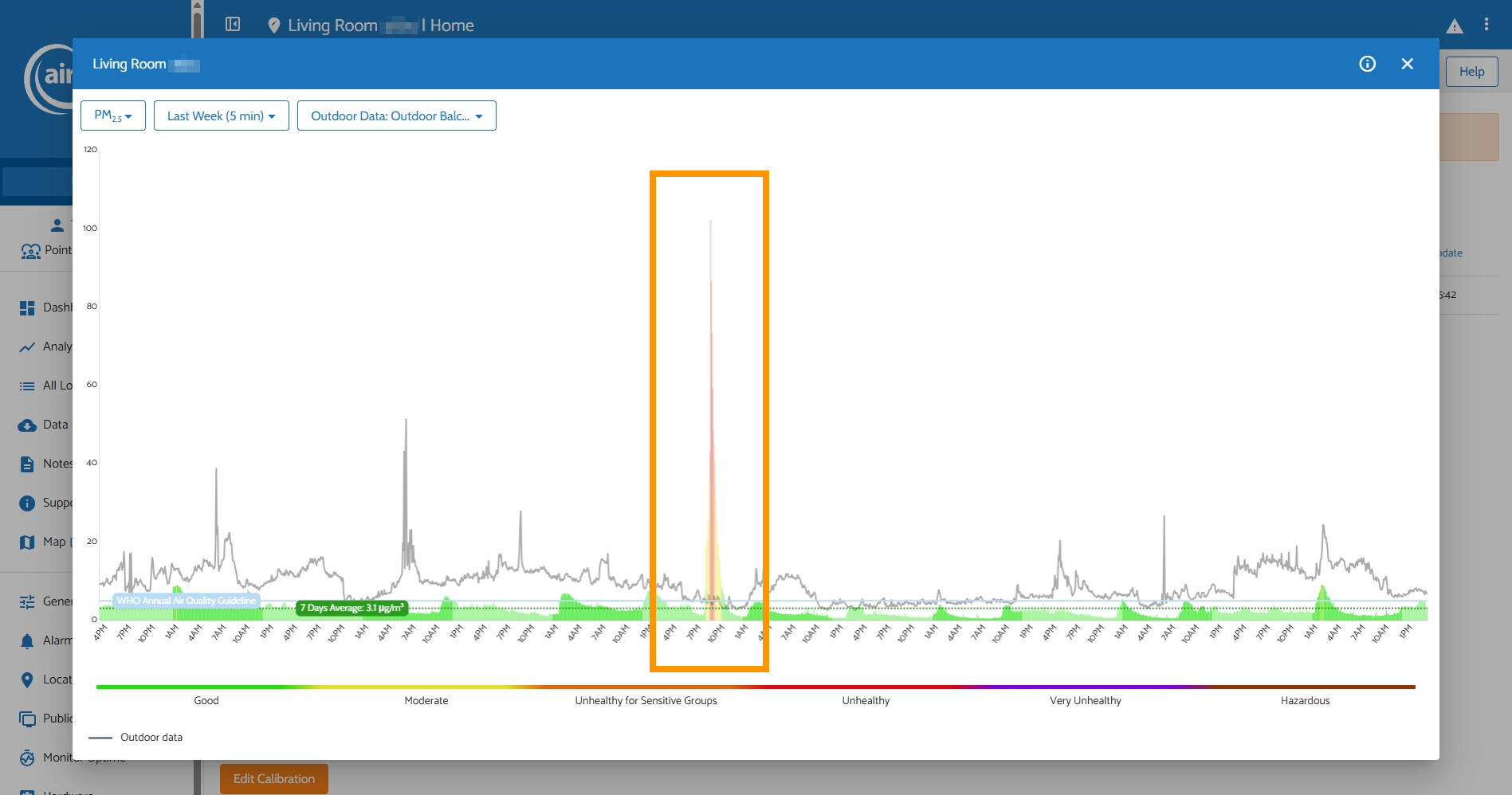
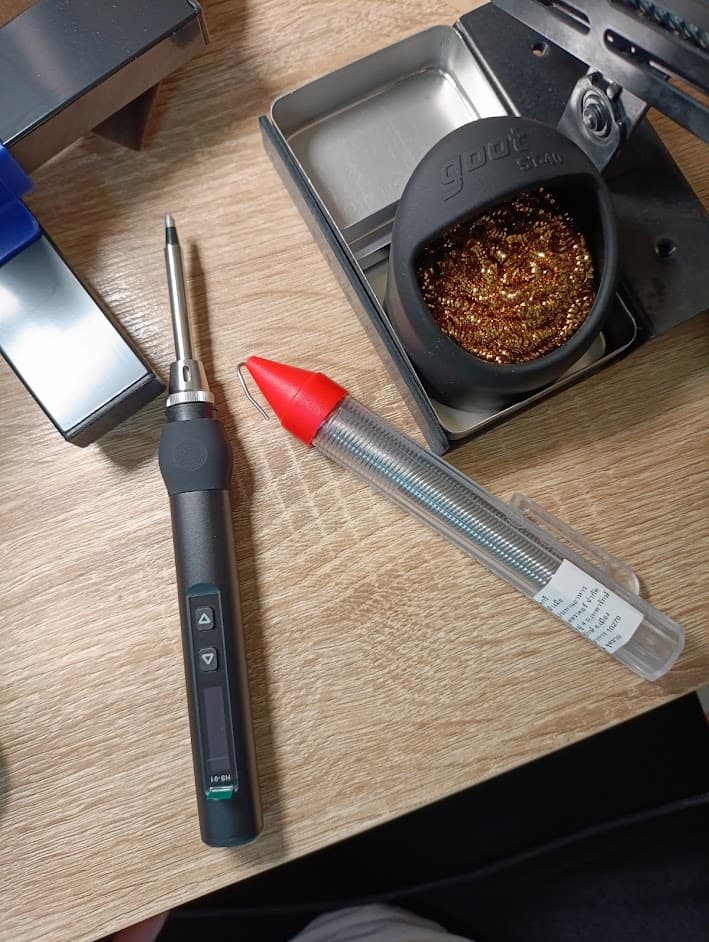
Last weekend, I also learned that soldering in my room without a proper fume extractor is not a very cool idea. Since I’m not a fan of soldering myself and a complete noob solderer, I don’t usually do it, only occasionally. So I never looked at how much PM2.5 spikes up when soldering before. I mean, we do know that this kind of activity causes some pollution, but we don’t know exactly how much pollution it makes in our specific space until we see the numbers. My amateur soldering session caused PM2.5 in my room to spike from 1 μg/m³ to 100+ μg/m³, and that was a good air quality lesson for me (though my soldering project failed).
2 Likes