Hello everyone,
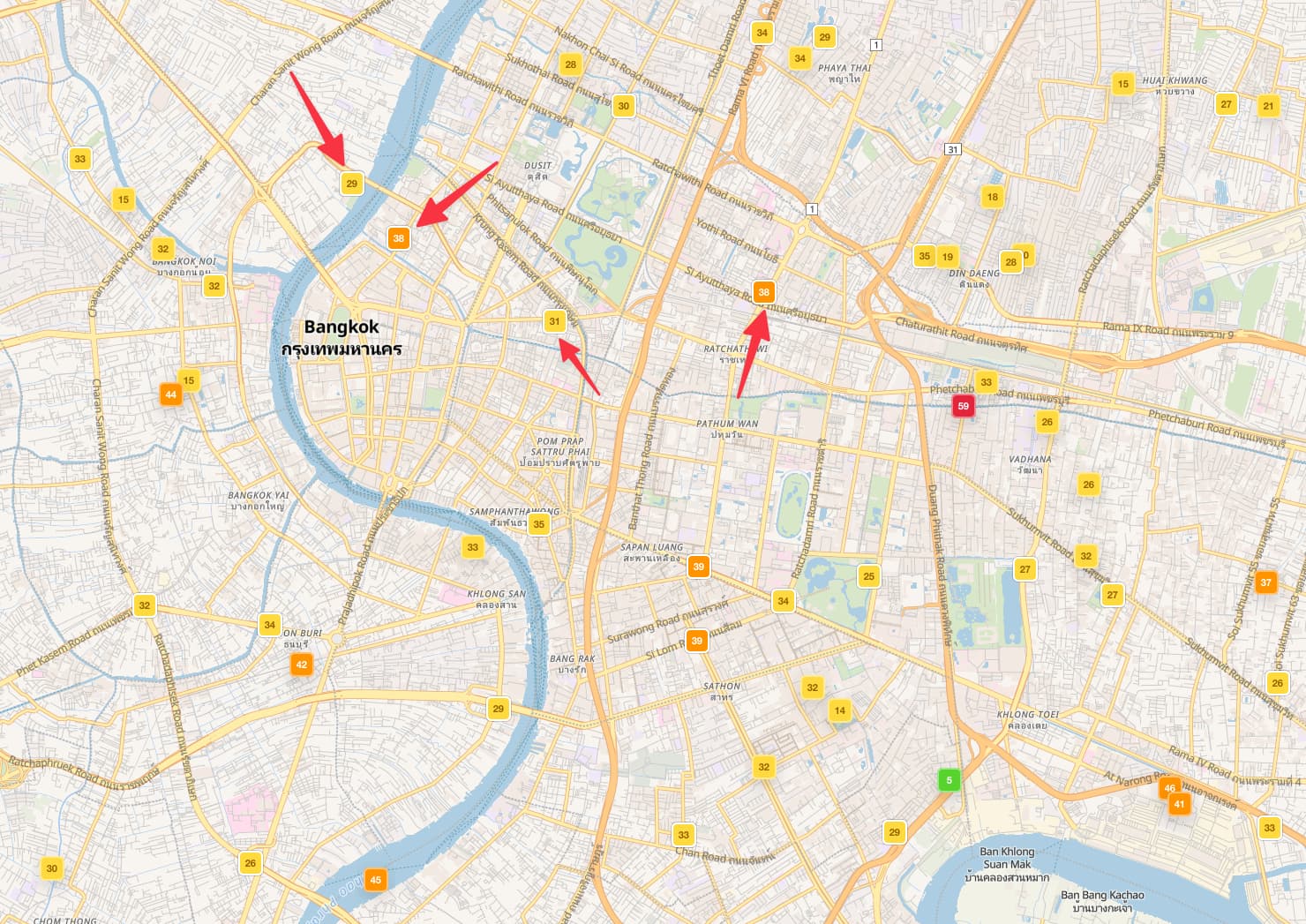
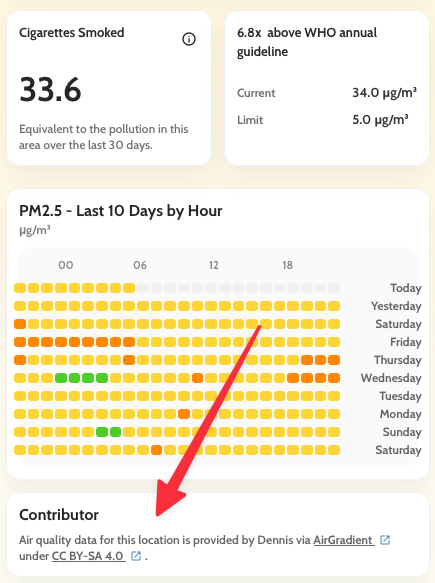
I would like to know about your experience with AirGradient’s outdoor sensors in humid conditions (relative humidity consistently above 80%). Do the particle counts remain stable, or do they go way higher than the reference stations nearby? Please let me know specially if you are in tropical regions such as South and South-East Asia.
I do not currently own an AirGradient sensor, but I am considering one. I have an IQAir AirVisual Outdoor, stationed in Khulna, Bangladesh. I noticed the PM2.5 counts go up in the middle of the monsoon when the humidity level crosses 80%, sometimes it even crosses 95%. Here in Bangladesh, the wind remains quite humid in the winter season. Also, winter is the peak pollution season in Khulna as the transboundary pollution from neighboring Indo-Gangetic plains overwhelms the air in my city. In this period, the AQI remains in the range of 200-300. Then comes the fog-belt, in that period the humidity remains above 80% all-day and AQI remains above 300 as well.
I know that the laser particle sensors have issues with humidity, But I want to know how much their performance is impacted by humidity in practical outdoor condition.